
Learning About the Justice System
Through Television
Like many people, I grew up watching television shows about law enforcement and the justice system. I was glued to the screen whenever Olivia Benson and Elliot Stabler made an arrest on Law & Order: SVU. I watched reruns of CHiPs and saw Ponch and Jon cruise the streets of Los Angeles on their motorcycles.
Even as an adult, I still enjoy legal dramas. Today, with social media, podcasts, and YouTube, it’s even easier to follow real-life courtroom discussions and legal commentary.
I share this because, while many of those shows are fictional, the idea of helping the “little guy” take on the big, bad criminal always stayed with me. I have always been an advocate at heart and was raised to serve those less fortunate. That calling led me back to school so I could develop the knowledge and skills needed to help people navigate complex systems.
My First Time Inside a Real Courtroom
The summer after graduating from law school, I was blessed with the opportunity to intern for a judge at the Superior Court of California here in San Jose. He presided over the criminal post-conviction court.
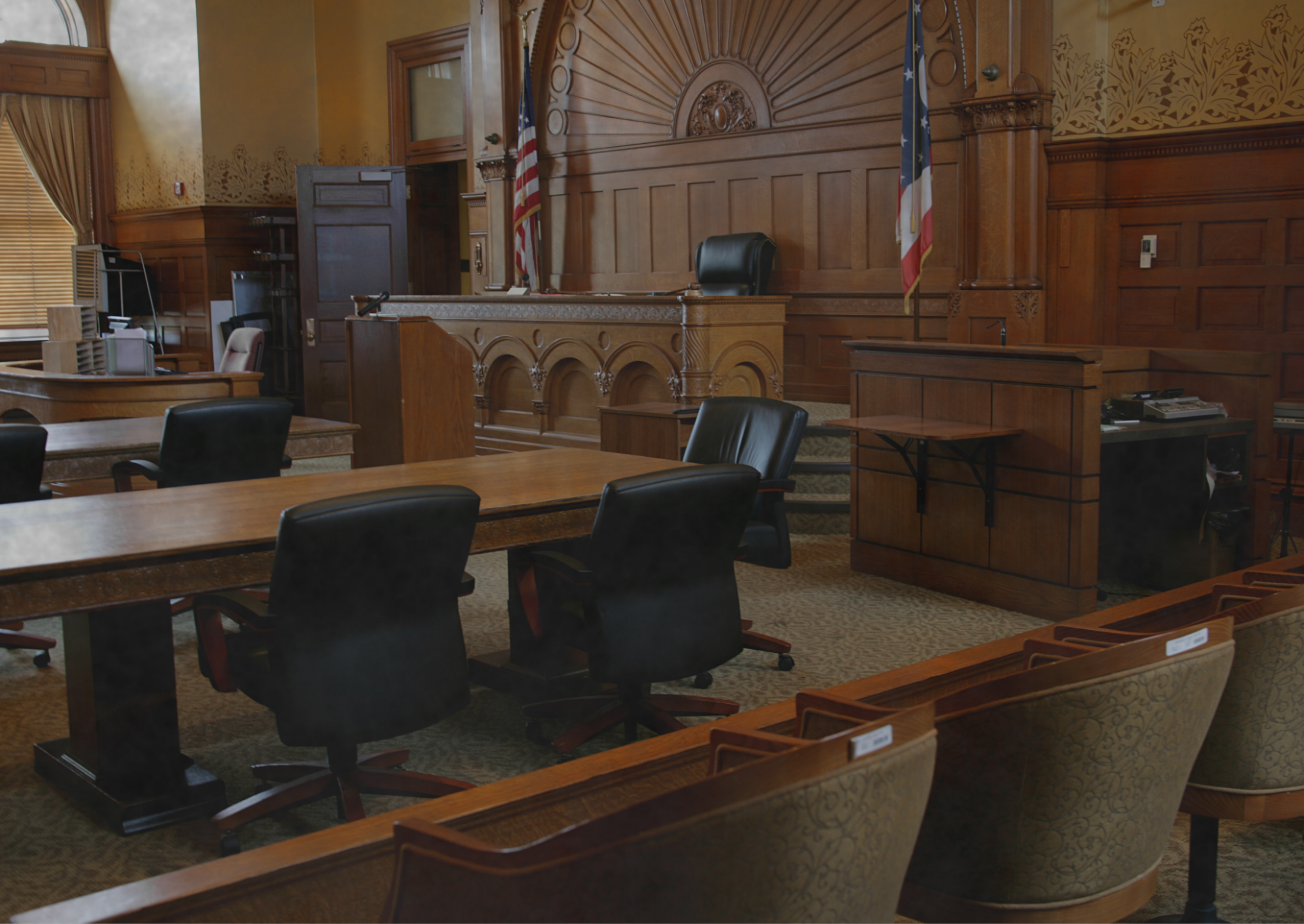
The thought of shadowing an actual judge during court proceedings felt surreal. The truth is, before that internship, I had never stepped inside a courtroom. I had never met a judge, spoken to a bailiff, or watched a court reporter working in real time. Seeing the courtroom clerk swear in witnesses was fascinating to watch. My only frame of reference had been what I saw on television.
Observing the Court From the Inside
During my internship, I had the privilege of observing court proceedings and following the judge into his chambers. I was able to listen to important discussions and gain firsthand insight into how our local court system functions.
It was truly a once-in-a-lifetime learning experience, and I tried to absorb as much knowledge as I could.
Although my internship lasted only one summer, the lessons I gained were invaluable. The conversations I had with the judge and the insight he shared about the legal system were priceless. I left each day grateful for the opportunity to learn.
The Question That Stayed With Me
But the experience also opened my eyes to something else.
Our courts are filled with brilliant legal minds — judges, attorneys, and court staff who work hard to ensure the system functions properly. Yet I began to notice something that troubled me.
Many of the everyday people entering the courtroom did not seem to understand where to go, who to ask for help, or what was happening in their own cases.
I often found myself wondering:
Who is helping the “little guy” connect with all of these courtroom professionals?
Feeling Like an Imposter
There were moments during my internship when I felt like an imposter myself. I would question why I was there. I wasn’t a judge or an attorney.
But then I would look at my badge and remind myself that I was there to learn.
Still, I couldn’t help but wonder how many others in the courtroom felt the same way.
Did the mother sitting behind her son feel out of place?
Did the person standing before the judge fully understand what was being said about their case?
I had a badge that gave me a sense of belonging in that space. But many of the people appearing before the court had only one thing — the knowledge that their lives were in the hands of attorneys and legal processes they might not fully understand.
Facing the court can easily intimidate anyone
Why This Experience Stayed With Me
That realization stayed with me long after my internship ended.
It is one of the reasons I started Faith & Justice Support Services. Too many people feel overwhelmed or afraid of the legal system simply because they have never been taught how it works.
My goal is to help change that by making legal knowledge more accessible to our community.
Because understanding the system shouldn’t be a privilege reserved for a few.
It should be knowledge that empowers everyone.
Three Things I Learned About Courtrooms
Reflecting on my first experience inside a courtroom, a few things stood out that may help others feel more prepared if they ever find themselves there.
1. Everyone in the courtroom has a specific role
The judge oversees the case, attorneys represent each side, the clerk manages the records, the court reporter documents everything said, and the bailiff maintains order. Understanding these roles can make the environment feel less mysterious.
2. The courtroom can feel intimidating — and that’s normal
For many people, it may be their first time inside a courthouse. The formal setting, legal language, and seriousness of the proceedings can make anyone feel overwhelmed.
3. Knowledge reduces fear
The more people understand how the court system works, the more confident they can feel when navigating it. Even basic knowledge about courtroom roles and procedures can make a big difference.
Don’t be afraid to ask questions. That’s what court staff are there for, and many are willing to help.
Want to Learn More?
Faith & Justice Support Services was created to help members of our community better understand the legal system so they can approach it with knowledge, confidence, and dignity.
If you would like to learn more about how the court system works, we invite you to join our Court 101 workshop, where we break down the basics of the legal process in a welcoming and educational environment.
Because justice begins with understanding.
About the Author
Cruzsilla Gutiérrez is the founder of Faith & Justice Support Services, a community initiative focused on improving legal literacy and access to justice for underserved communities in Santa Clara County.