
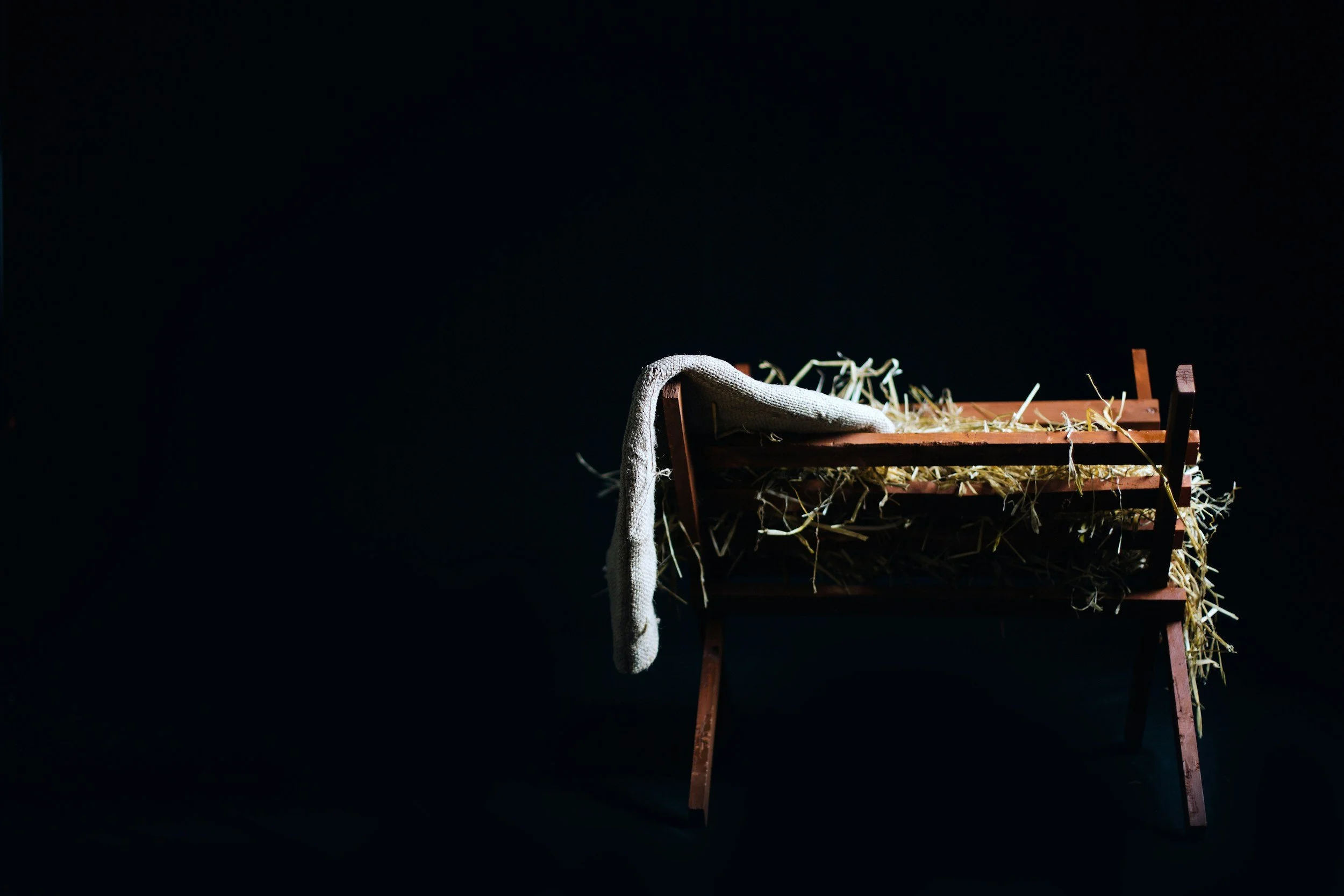
Hope does not always arrive with power or spectacle. Sometimes it comes quietly—born into uncertainty, social marginalization, and fear.
🕊️ A World Under Rule
Imagine a world where you are under the occupation of an empire known for its brutality, military dominance, and arenas filled with gladiators fighting to the death. Your land is seized. Sacred places are reduced to rubble. You are told that if you want peace, you must now obey and pay taxes to the very force that destroyed your way of life.
This was life under tyrannical Roman rule.
For generations, the small nation of Judea lived under occupation—humiliated, monitored, and controlled. Their history was marked by struggle and loss, by failed revolts and crushed hopes. They prayed for deliverance. They clung to old texts and waited for the promised Messiah.
👑 The Messiah They Expected
Over time, those promises took on mythic proportions. The texts of old faded, replaced by imagination. The Messiah became larger than life—royal, fearless, unstoppable. Sword in hand, he would strike terror into the Roman army. He would arrive with authority and spectacle. He would make the empire run.
They believed he would come as a liberator—a warrior strong enough to overthrow corrupt rulers and dismantle a foreign empire. They imagined a leader who would restore dignity, reclaim stolen land, and finally bring justice. After years of suffering, enslavement, and erasure, they felt entitled to a grand savior—one as formidable as the empire they faced.
They expected a big Messiah—because their suffering had been big.
Meanwhile, an appointed foreign king attempted to win their favor by rebuilding the temple—larger, more ornate, more impressive than before—but distrust lingered. The people recognized his corruption, his hunger for admiration, and the cost of his ambition. The structure was beautiful, but it was funded by an enemy who forced them into hard labor. Gratitude did not replace suspicion. They understood he appeased them only enough to prevent revolt.
Still, their hope remained anchored in ancient promises, whispered daily under their breath:
The Messiah is coming.
🐑 The Messiah Who Came
Instead, the promised Messiah was born into scandal.
In a small town, a young local woman was engaged to one man but was visibly pregnant before the vows were exchanged. Whispers followed her. Judgment lingered. Obedient to a census imposed by the ruling power—and unwilling to abandon her to shame—Joseph took Mary to their ancestral city, not to celebrate, but to comply.
When they arrived, there was no room for them.
Not a single vacancy for a poor, pregnant woman and her dutiful husband.
No welcome committee.
No place of honor.
And no place to sleep.
The only shelter available was where animals slept.
The Messiah entered the world surrounded by cattle and hay, not royalty or comfort. There were no doctors, no waiting family, no announcement, no fanfare. His mother wrapped him in scraps of cloth—whatever she could find—to keep him warm. The sounds that marked his arrival were not cheers or proclamations, but the quiet movement of livestock.
His father received no congratulations. No recognition. Only silence.
This was not the Messiah they had imagined.
This was not how victory was supposed to begin.
And yet—this is how hope arrived.
🌿 Why This Story Still Matters
Hope often comes in the most unexpected and humblest of ways. Whether one is a believer or not, the birth story of Christ continues to resonate because of the world he was born into—not despite it.
Jesus entered history during political unrest and foreign domination. His people were anxious, burdened, and desperate for change. They lived under surveillance, taxation, and constant threat. Many longed for a savior who would meet fear with force and oppression with immediate victory. When he did not arrive as expected, they turned away.
Not because hope had failed—but because it did not look the way they wanted.
🌍 A World We Recognize
We are living in a time that echoes the conditions described in scripture. We long for change even as we navigate uncertainty. We worry about policies, enforcement, and whether a knock at the door could disrupt the lives of friends, colleagues, or loved ones. We feel the weight of hostility and suppression while still trying to work, survive, and protect our families.
Certainty feels distant. Fear is persistent—always demanding to take up space.
And yet, this is the kind of world where hope has shown up before.
🤍 Holding Space for What’s Being Born
As we celebrate Christmas and prepare to welcome a new year, take time to be present with those you love. Hold onto the moments that ground you. Let them remind you that even in uncertain times, something meaningful can still be born.
The story of Jesus does not tell us that fear disappears or that systems suddenly change. It reminds us that hope often enters quietly—without permission, without recognition, and without certainty. It shows us that faith does not always look like power, and justice does not always arrive with spectacle.
Sometimes, hope begins in places we overlook.
Sometimes, it grows among people the world has already dismissed.
Sometimes, it asks us to notice what is being born—not with noise, but with intention.
And perhaps that is the invitation before us now: not to wait for grand solutions, but to remain attentive, compassionate, and grounded—so that when hope arrives quietly, we are ready to recognize it.